A Comprehensive Overview to Choosing the Right Irrigation Solutions for Your Garden
Choosing the ideal Irrigation system is crucial for any garden's success. Different systems provide varying advantages and obstacles. Comprehending the particular requirements of plants, along with available water sources, can significantly affect growth and sustainability. This guide will explore necessary factors to consider and alternatives, aiding garden enthusiasts make educated choices. The concern remains: which system will best match your special garden atmosphere?
Comprehending the Significance of Irrigation Systems
Although many garden enthusiasts may neglect the relevance of Irrigation systems, their function in maintaining healthy and balanced plants can not be taken too lightly. Proper Irrigation warranties that plants get adequate water, which is crucial for their growth and development. Without a dependable approach of watering, plants may experience stress, bring about stunted growth and even death.
In enhancement to offering necessary hydration, Irrigation systems advertise reliable water use, aiding to save this priceless source. By delivering water straight to the origin zone, these systems minimize evaporation and drainage, allowing for even more sustainable gardening methods.
A well-designed Irrigation system can aid prevent soil disintegration and nutrient leaching, further sustaining plant wellness. Comprehending the relevance of Irrigation systems empowers gardeners to make educated decisions, eventually cultivating thriving gardens that are both attractive and effective
Kinds Of Irrigation Solutions: A Review
Irrigation systems can be found in various types, each made to meet specific gardening needs and conditions. The most common kinds consist of surface Irrigation, which entails water streaming over the soil surface, and is usually utilized in huge farming setups. Trickle Irrigation delivers water straight to the plant origins with a network of tubing and emitters, but details on its advantages will be covered later. Sprinkler systems distribute water with a series of pipes and spray heads, mimicking all-natural rains and appropriate for various garden dimensions. Subsurface Irrigation, where water is provided below the dirt surface area, is efficient in conserving water and lowering dissipation. Lastly, manual watering, while labor-intensive, permits specific control over water application. Each system has its advantages and limitations, making it important for gardeners to assess their details needs prior to selecting.
Drip Irrigation: Advantages and Considerations
Leak Irrigation stands apart as a reliable technique for supplying water directly to the roots of plants, making it a preferred selection for numerous garden enthusiasts. This system minimizes water waste by decreasing dissipation and runoff, enabling precise water application where it is needed most. This targeted technique not just conserves water however also advertises much healthier plant development by staying clear of waterlogging and reducing weed development.
Another benefit of drip Irrigation is its adaptability to numerous yard layouts and plant types. Whether in increased beds, containers, or traditional rows, this system can be tailored to suit private requirements. There are factors to consider to keep in mind. Preliminary configuration prices can be greater than standard methods, and maintenance is crucial to prevent clogging of emitters. Furthermore, gardeners need to check soil moisture degrees to guarantee optimal Irrigation. Eventually, drip Irrigation uses substantial benefits for those looking to enhance their gardening effectiveness.
Lawn sprinkler Equipments: Pros and Cons

Furthermore, sprinklers can contribute to fungal illness by moistening vegetation, which might be harmful to plant health and wellness. The first installation expense can be higher compared to easier systems, and maintenance may be needed to stop clogs and ensure peak efficiency. Ultimately, gardeners should evaluate these disadvantages and pros to determine if sprinkler systems align with their particular watering needs and yard conditions. Careful consideration will certainly bring about extra reliable Irrigation options that support healthy and balanced plant development.
Soaker Tubes: A Simple Solution for Watering
Soaker hoses supply a efficient and uncomplicated technique for watering gardens, supplying various benefits such as reduced evaporation and targeted moisture delivery. Proper installation strategies can improve their effectiveness, guaranteeing that water reaches the plant origins successfully. Furthermore, regular upkeep and care are vital to make best use of the life expectancy and performance of soaker tubes.
Advantages of Soaker Hose Pipes
While numerous garden enthusiasts seek effective methods to supply water to their plants, soaker pipes stand apart as a practical remedy. These tubes supply a slow, consistent release of water straight to the dirt, guaranteeing deep root hydration while lessening evaporation. This targeted watering technique not just saves water yet also lowers the risk of fungal conditions by keeping foliage drier. Soaker pipes are particularly valuable for vegetable gardens and blossom beds, as they advertise healthier plant development and can improve crop returns. In addition, they are easy to establish up and can be tailored to fit various garden layouts. On the whole, soaker hoses supply a eco pleasant and cost-effective alternative for keeping rich, growing gardens.
Installation Tips and Techniques
When preparing to set up soaker pipes in a yard, appropriate strategies can noticeably boost water performance and plant health and wellness. To start with, garden enthusiasts should lay the pipes along the base of plants, guaranteeing they are close to the origin zone for optimum absorption. It is recommended to set up the pipes in a serpentine pattern to cover even more area while lessening water waste. The installment must consist of a stress regulator to preserve consistent water circulation. Additionally, securing the hoses with stakes or yard pins can stop them from relocating or kinking. Gardeners need to likewise look for any blockages, such as weeds or particles, while making certain the pipe is not buried too deeply in the dirt, enabling reliable moisture circulation.
Maintenance and Treatment Standards
Routine maintenance is important for optimizing the durability and efficiency of soaker hoses in any kind of yard. Gardeners ought to on a regular basis inspect for clogs try this web-site and tidy the pipes to guarantee excellent water circulation. Flushing the tubes with an option of vinegar and water can help get rid of mineral deposits. In enhancement, it is crucial to examine the tubes for leaks or damages, replacing any faulty areas quickly. Throughout winter season, tubes ought to be drained, rolled up, and kept in a completely dry location to avoid freezing and fracturing. Garden enthusiasts must keep track of the dirt moisture degrees to readjust the watering regularity, guaranteeing that the soaker hoses provide ample moisture without over-saturating the soil. Correct treatment will certainly enhance the performance and life expectancy of soaker hose pipes.
Variables to Consider When Selecting an Irrigation System
When choosing a watering system, numerous critical elements need to be thought about - Sprinkler tune-up. The dimension of the yard, the schedule of water sources, and the specific watering needs of plants all play significant roles in identifying the most effective service. Cautious consideration of these elements can lead to a more effective and reliable horticulture experience
Garden Size Considerations
Picking the suitable Irrigation system typically pivots on the dimension of the garden. For small yards, drip Irrigation or soaker tubes might be ideal, giving targeted moisture without throwing away water. Alternatively, bigger gardens might call for much more extensive systems such as lawn sprinkler configurations, which can cover higher areas successfully. Gardeners should additionally take into consideration the design; irregularly designed plots may gain from adjustable or turning sprinklers, while rectangular areas can utilize set systems successfully. Additionally, bigger gardens frequently require an even more robust facilities, including timers and pumps, to ensure uniform water circulation. Ultimately, recognizing the garden's measurements enables customized solutions that advertise healthy plant growth while maximizing water usage.
Water Resource Schedule
Exactly how does water resource availability affect the selection of an irrigation system? Water resource availability is an essential element when picking an irrigation system for a garden. Garden enthusiasts should examine the proximity and reliability of prospective water resources, such as wells, fish ponds, or municipal supplies. Solutions like drip Irrigation or soaker pipes might be more appropriate for gardens with restricted check this site out water stress or supply, while lawn sprinkler systems could be better for those with bountiful water accessibility. Additionally, the top quality of water-- considering elements like salinity or pollutants-- can substantially influence plant wellness and Irrigation performance. Evaluating these elements guarantees that the chosen Irrigation system aligns with the garden's specific demands and lasting techniques.
Plant Watering Requirements
Water source availability sets the phase for understanding plant sprinkling requirements, which play a considerable function in picking a suitable Irrigation system. Each plant types has unique water requirements affected by factors such as growth phase, origin depth, and ecological problems. Recently grown plants frequently require more regular watering contrasted to developed plants. Additionally, environment plays an essential role; deserts might necessitate systems that supply water extra successfully, while areas with greater rains could take advantage of simpler solutions. Soil type additionally impacts water retention and water drainage, assisting the option in between drip Irrigation and automatic sprinkler. Inevitably, evaluating these variables assurances that the selected Irrigation system lines up with the certain hydration requirements of the garden's varied plant
Tips for Optimizing Your Watering Practices
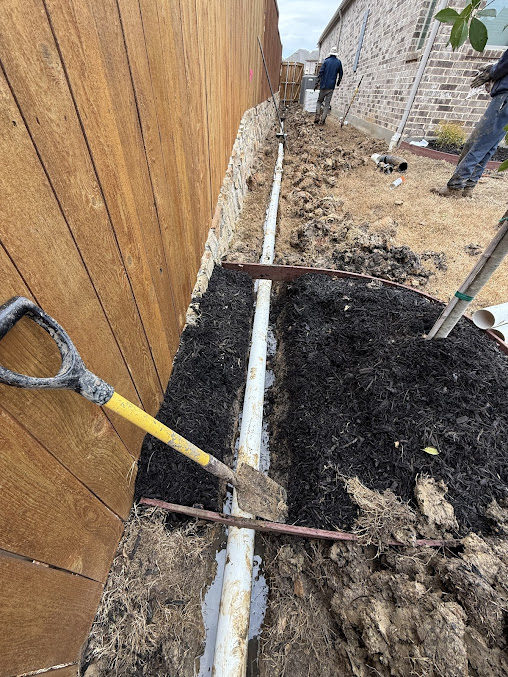
It is likewise crucial to monitor weather problems regularly. Rain can lower the requirement for supplementary watering, and adjusting timetables appropriately can conserve water. Using dirt dampness sensing units can provide useful insights right into when and how much to water, making certain that plants obtain sufficient hydration without overwatering. Organizing plants with similar water needs together can simplify Irrigation initiatives and promote effectiveness. By implementing these methods, gardeners can improve their watering practices and support sustainable garden monitoring.
Often Asked Questions
Exactly how Do I Know if My Dirt Requirements Irrigation?
To determine if soil needs Irrigation, one should inspect wetness degrees by excavating or using a wetness meter. Indications like wilting plants and dry, cracked soil additionally indicate the need for additional water.
Can I Automate My Irrigation System?
The question of automating a watering system is increasingly pertinent for garden enthusiasts looking for performance. Many modern systems provide automation options, such as timers and clever innovation, permitting customized watering routines based upon certain yard demands.
What Is the Ideal Time to Water My Yard?
The white landscaping rock most effective time to sprinkle a garden is early morning or late afternoon. During these cooler durations, dissipation is reduced, allowing plants to absorb more water, promoting much healthier growth and lowering water waste.
How Frequently Should I Inspect My Irrigation System?
The regularity of checking a watering system must ideally be weekly during growing periods. Regular examinations help recognize blockages, leaks, or inefficiencies, ensuring reliable water distribution and advertising healthy plant development in the yard.
What Maintenance Does an Irrigation System Need?
A watering system requires regular maintenance, consisting of looking for leaks, cleansing filters, adjusting timers, and evaluating lawn sprinkler heads. Seasonal analyses ensure effective water distribution and stop prospective damage, eventually promoting a healthy and balanced yard environment.
Subsurface Irrigation, where water is provided below the soil surface area, is reliable in preserving water and minimizing dissipation. The size of the garden, the schedule of water resources, and the specific watering needs of plants all play substantial duties in identifying the most efficient option. Water resource accessibility is an essential element when selecting an irrigation system for a yard. Systems like drip Irrigation or soaker hoses may be a lot more appropriate for yards with limited water pressure or supply, while sprinkler systems may be a lot more appropriate for those with abundant water gain access to. Water source availability sets the phase for understanding plant sprinkling requirements, which play a considerable role in selecting a suitable Irrigation system.